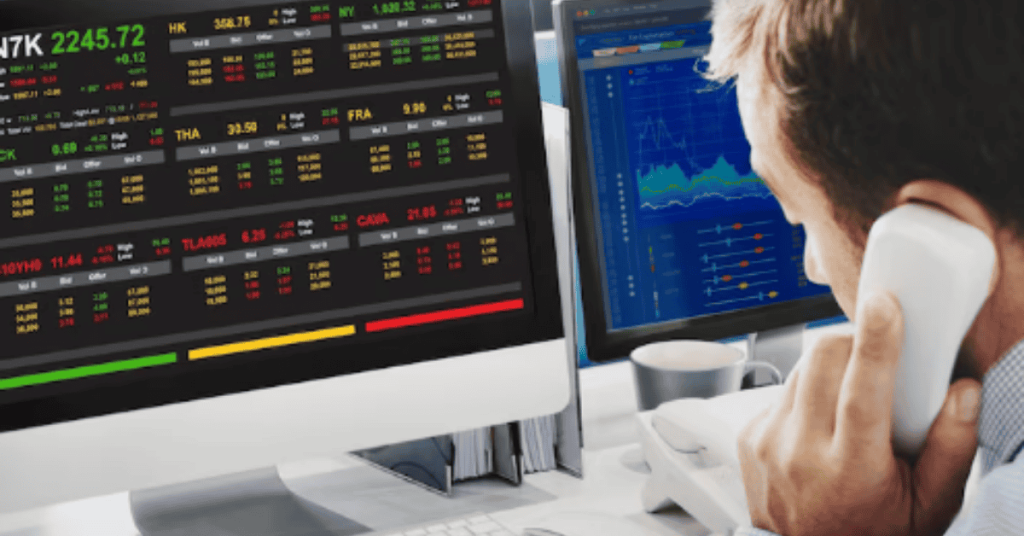

Investing in foreign currencies is an intriguing opportunity for residents of the UK looking to diversify their portfolios. The foreign exchange market, often known as Forex, is known for its liquidity and accessibility, making it an attractive option for many investors.
Understanding how to navigate this complex market can lead to substantial rewards, but it’s also vital to be aware of the potential pitfalls. This blog post aims to guide you through the basics of currency investment while living in Britain.
Understanding foreign currencies

Before embarking on your journey into the world of foreign currencies, it’s essential to comprehend what you’re dealing with. Currencies fluctuate due to multiple reasons, including interest rates, inflation, political stability, and economic performance. These factors collectively impact the relative value of currencies and create both opportunities and risks for investors.
The major currencies traded on the Forex market include the US Dollar, Euro, Japanese Yen, and British Pound, among others. Each of these has unique characteristics and responds differently to global events. As a UK resident, understanding the intricacies of the British Pound in relation to other currencies can offer a strategic advantage.
Additionally, staying updated with world news and economic reports is vital. These elements can significantly affect currency prices, and having timely information can aid in making informed decisions. Regularly following financial news outlets or subscribing to Forex analysis platforms can provide necessary insights.
Initial steps for UK residents
For UK residents, the first step in venturing into the currency market involves setting up a Forex trading account. Numerous online brokers offer platforms designed for both novice and seasoned traders. It’s important to choose a reputable broker—one that is regulated by the Financial Conduct Authority (FCA) to ensure the security of your investments.
Once your account is established, familiarise yourself with the platform’s features and tools. Most brokers provide educational resources, including tutorials and webinars, which can be invaluable for grasping trading methodologies. Practising with a demo account before risking real money can also be a wise approach to understanding the technical aspects of Forex trading.
The role of leverage and risk management
Leverage is a powerful tool in Forex trading, allowing traders to amplify their exposure to the market. However, while leveraging can enhance potential gains, it also increases the risk of significant losses. As such, establishing a solid risk management strategy is indispensable.
It’s recommended to never risk more than a small percentage of your trading capital on a single trade. Setting stop-loss orders can help limit potential losses by automatically closing a position at a predetermined price. Moreover, diversifying your trades and not focusing exclusively on a single currency pair can mitigate risks associated with market volatility.
Developing a trading strategy
Creating a consistent trading plan is fundamental to success in the currency exchange environment. A strategy should incorporate both technical and fundamental analysis, providing a comprehensive framework for making trading decisions.
Technical analysis involves studying historical price movements and patterns using charts and indicators to predict future trends. Common tools include moving averages, Fibonacci retracements, and Relative Strength Index (RSI). These can help identify entry and exit points for trades.
On the other hand, fundamental analysis focuses on economic indicators and news events. Understanding how factors such as GDP growth, interest rate changes, and employment figures influence a currency’s value is crucial. Combining these analyses can lead to a more informed and well-rounded trading approach.
Utilising technology and market tools
In the modern Forex landscape, technology is a trader’s ally. Leveraging advanced trading platforms and analytical tools can offer significant advantages. Automated trading systems, or bots, can execute trades based on pre-set criteria, removing emotional bias from trading decisions.
Additionally, mobile apps enable traders to monitor the market and manage trades on-the-go, providing flexibility and real-time updates. Many platforms also offer social trading features, allowing users to follow and replicate successful trades from experienced investors, aiding those still learning the ropes.
Continuing education and adaptation
The Forex market is continuously evolving, necessitating a commitment to ongoing learning. Staying abreast of new trading techniques, market news, and technological advancements is essential for maintaining a competitive edge. Workshops, seminars, and online courses can provide valuable insights and keep you updated on the latest trends.
Engaging with trading communities and forums can also foster knowledge exchange and provide support. Investing in foreign currencies from the UK offers a rewarding avenue for diversifying your financial portfolio.
By understanding the market dynamics, adopting sound strategies, and remaining informed, you can navigate the complexities of currency investment with confidence. Whether you’re trading part-time or as a full-fledged venture, the key to success lies in careful planning and continuous learning.