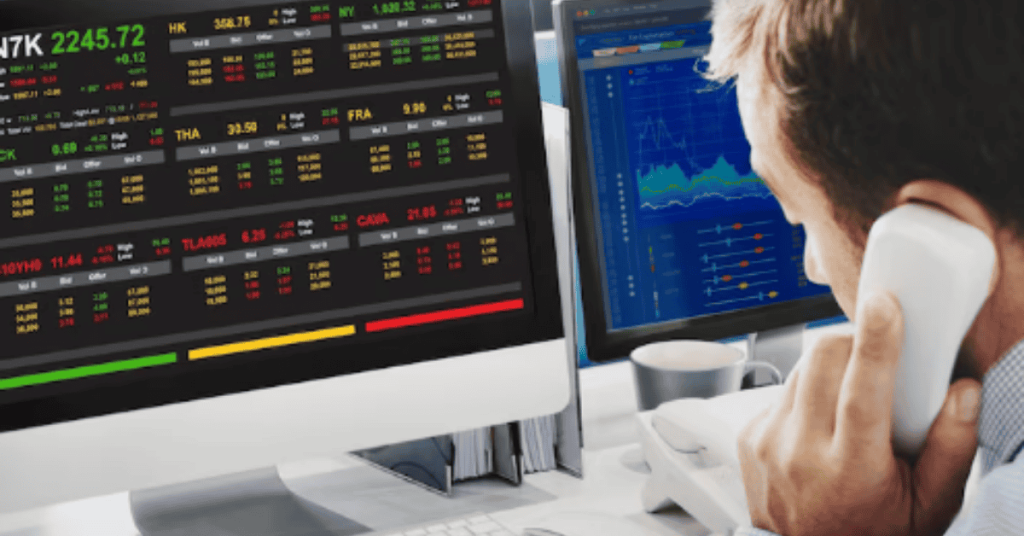

The London Stock Exchange (LSE) stands as a pivotal part of the global financial landscape. As one of the largest and most international stock markets, its performance influences and is influenced by various international factors. Understanding how the global environment affects the London Stock Exchange can provide insights into broader economic trends and implications for investors.
The connection between global events and the activity on the LSE is intricate. Investors often respond quickly to international developments, which can lead to rapid price shifts and market volatility. These changes affect companies listed on the LSE and subsequently impact economic forecasts and personal investment strategies.
Understanding the London Stock Exchange

The London Stock Exchange is more than just a marketplace for buying and selling shares; it is a barometer for the UK economy. With a history dating back over 300 years, the LSE has been a cornerstone in connecting investors with opportunities globally. The exchange facilitates the issuance of stocks and bonds, provides a platform for trading securities, and contributes to economic growth.
Trading on the LSE involves a range of financial instruments, including equities, bonds, and other securities. Its prestigious Main Market and the Alternative Investment Market (AIM) cater to companies of all sizes. The diversity of firms listed on the LSE — from banks to energy providers — reflects the breadth of its influence and the importance of its role in global finance.
The LSE operates in a highly regulated environment, ensuring transparency and fairness in all dealings. This regulatory framework helps protect investors, maintains market integrity, and supports a climate of trust essential for efficient market functioning.
The role of international trade
International trade is a significant factor influencing the performance of the London Stock Exchange. Since the UK is a major trading nation, changes in global trade dynamics can have immediate repercussions on the LSE. Fluctuations in trade agreements, tariffs, and global supply chains can affect the profitability of companies listed on the exchange.
When international trade relations are stable, they foster investor confidence, leading to a robust performance on the LSE. However, geopolitical tensions or disruptions in trade can create uncertainty, which may result in volatility. Investors typically respond to these conditions by recalibrating their portfolios, seeking to minimise risk.
Currency fluctuations and market impact
Exchange rates play a crucial role in the operation of the London Stock Exchange. The pound sterling’s value against other currencies can significantly impact companies, especially those with substantial international revenues. A strong pound can erode the profitability of UK exporters, whereas a weaker pound could make British goods more competitive abroad.
Currency fluctuations can also affect foreign investments in the UK. A weaker pound may attract international investors looking for bargains. Conversely, a strong pound could deter foreign investment due to higher relative costs, influencing the overall performance of the LSE.
Effects on personal finances
The performance of the London Stock Exchange doesn’t only matter to institutional investors; it has direct implications for personal finances too. Many individuals hold investments in pension funds, stocks, or ISAs that are tied to the movement of the LSE. Changes in the market can lead to variations in the value of these investments.
Understanding how global events impact the LSE can help individuals make informed financial decisions. Whether it involves diversifying portfolios to hedge against volatility or capitalising on market opportunities, keeping an eye on global trends can optimise personal finance strategies.
Investment strategies in a changing market
In a changing market environment influenced by global factors, adapting investment strategies is crucial. Investors might consider diversifying across asset classes and geographies to mitigate risks associated with market instability. Assessing the balance between high-risk and stable investments can lead to better-aligned portfolios.
Some investors may look at sectors less affected by global fluctuations, such as healthcare and consumer staples, which tend to be more resilient in uncertain times. Professional financial advice can play a pivotal role in crafting strategies that align with investor goals and risk appetites.
Economic indicators to watch
Keeping abreast of key economic indicators can provide clues about how the London Stock Exchange might be influenced by the international stage. Indicators such as GDP growth rates, inflation figures, and employment statistics are often linked to broader market trends.
Monitoring geopolitical developments, trade negotiations, and central bank policies can also offer insights into the future performance of the LSE. Informed investors who understand these factors are better equipped to anticipate market movements and adjust their financial plans accordingly.
Final thoughts
The interplay between global events and the London Stock Exchange is a complex but essential dynamic to grasp for businesses and investors alike. The LSE’s performance reflects broader economic conditions and offers insights into future market trends.
Navigating the global influence on the LSE requires understanding international markets, economic indicators, and geopolitical developments. This knowledge enables investors to make strategic decisions and optimise their financial health amid fluctuating market conditions.