
Commodity investments have long been a staple in the financial strategies of savvy investors. In the UK, this form of investing offers a variety of opportunities to diversify portfolios and hedge against market fluctuations.
By understanding the available options for investing in commodities, individuals can make informed decisions tailored to their financial goals. Whether you are new to the concept or looking to expand your knowledge, exploring these investment avenues can help you leverage the strengths of the UK market.
Types of commodity investments in the UK

There are several categories of commodities that investors in the UK can access. These generally fall into three primary groups: metals, energy, and agriculture. Each category presents its unique characteristics and market dynamics, allowing investors to select those that align best with their risk appetite and investment strategy.
Metals such as gold, silver, and platinum are popular choices, often used as safe havens during economic instability. Gold, in particular, is known for retaining value during times of currency devaluation or geopolitical tension.
Energy investments, including oil and natural gas, fluctuate with global demand and supply dynamics, offering potentially high returns for those who can stomach the risk. Agricultural commodities, such as wheat, corn, and coffee, are another option, driven largely by global consumer needs and weather conditions.
This category can serve as a hedge against inflation, as agricultural prices often rise with overall inflation rates. Understanding these distinct commodities can help investors determine where to allocate their funds based on their financial objectives and risk tolerance.
Trading through commodity exchanges
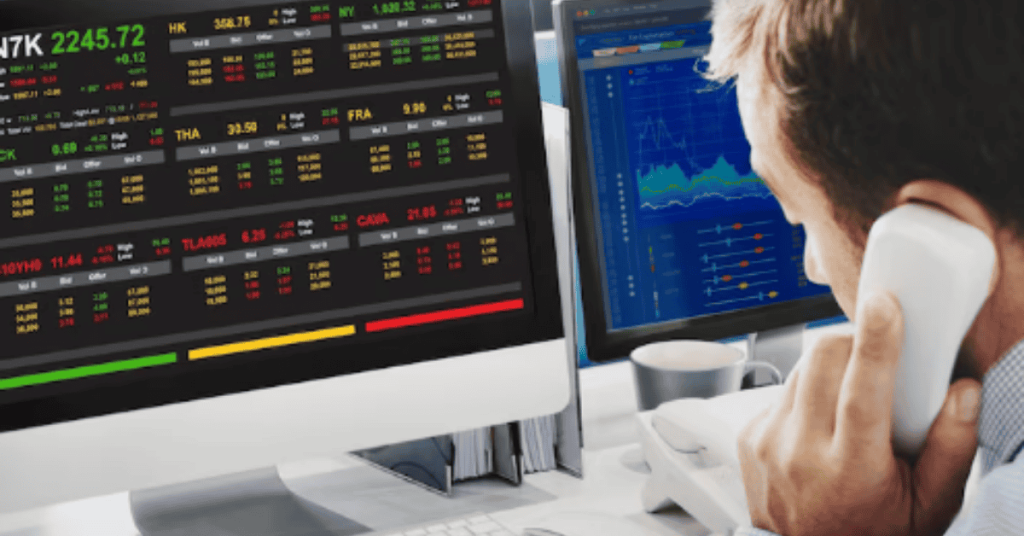
One of the most accessible ways to invest in commodities in the UK is through commodity exchanges. These platforms facilitate the buying and selling of various goods and are integral in determining the market prices of commodities. Investors can participate in futures contracts, which allow them to speculate on the future prices of these assets.
The London Metal Exchange (LME) is one of the most well-known commodity exchanges in the UK, focusing on metals such as aluminium, copper, and zinc. It provides a global benchmark for the pricing of these materials. Similarly, the International Commodity Exchange (ICE) in London offers a range of energy futures, including oil, natural gas, and power.
By engaging with these exchanges, investors can gain exposure to commodity markets with considerable leverage. This makes trading on exchanges a potentially lucrative, though high-risk, endeavour for those who possess a solid understanding of market trends and the ability to withstand volatility.
Investing in commodity-focused funds
For those less inclined to engage in direct trading, commodity-focused mutual funds and exchange-traded funds (ETFs) present an attractive alternative. These funds pool money from many investors to purchase a diversified portfolio of commodity assets, reducing individual risk while providing exposure to this investment sector.
ETFs in particular offer ease of trading, as they can be bought and sold on stock exchanges much like individual stocks. This liquidity makes them a popular choice among UK investors seeking commodity exposure. Funds can focus on specific sectors, such as precious metals, agriculture, or energy, depending on the investor’s preferences.
By investing in funds, individuals can benefit from professional management and the diversification of assets, which can help mitigate some of the risks inherent in commodity investment. This option is particularly appealing for those who wish to avoid the complexities of direct commodity trading.
Advantages and risks of commodity investments
There are several advantages to investing in commodities, particularly in the context of a diversified portfolio. Commodities often have a low correlation with traditional asset classes such as stocks and bonds, providing a hedge against market volatility. This diversification can improve the overall risk-return profile of an investment portfolio.
Furthermore, commodities can serve as an effective hedge against inflation. As commodity prices rise with inflation, their inclusion in a portfolio can preserve purchasing power and provide stability during periods of economic uncertainty. This role as a hedge is particularly relevant in today’s financial landscape, where inflation concerns are increasingly prevalent.
Despite these benefits, investors should be mindful of the risks associated with commodity investments. Prices can be highly volatile, influenced by a range of factors including geopolitical events, climate change, and shifts in global demand and supply.
Strategising for successful investments
To successfully navigate commodity investments, UK investors should develop a strategy that takes into account their financial goals, risk tolerance, and market outlook. This might include diversifying across different types of commodities, engaging in periodic portfolio rebalancing, and staying informed about market trends and geopolitical events.
Research and education are crucial, especially given the complexities and volatilities involved in commodity markets. Investors can benefit from following expert analysis and reports, participating in financial courses, or consulting with a financial advisor specialising in commodity investments.
Ultimately, a well-crafted strategy can help investors harness the potential of commodity markets while managing risks effectively. With the right approach, commodity investments in the UK can play a valuable role in achieving long-term financial objectives.